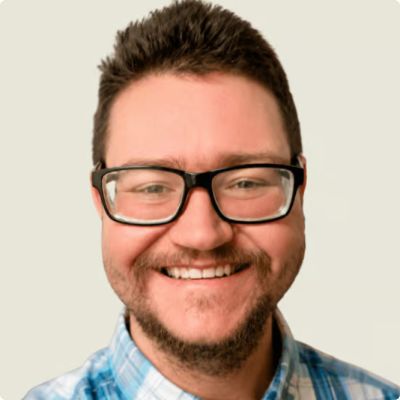
Noah Buchanan
I became a therapist because I’ve always been drawn to how people make sense of pain, identity, survival, and the patterns that shape how they relate to themselves and others. Before entering this field, I worked in settings where I supported people in crisis and helped connect them with care and resources. Over time, I realized I didn’t just want to help people stabilize through difficult moments, I wanted to support deeper, longer-term healing, especially around trauma, relationships, and identity.
I’ve also become especially interested in couples work and relational patterns—how people affect one another, how cycles of conflict or distance develop, and how repair becomes possible. A lot of emotional pain shows up in relationships, and I’m interested in helping people slow those moments down so they can understand what’s happening underneath reactivity and disconnection.
Alongside that, I’m committed to working with neurodivergent clients, including ADHD and OCD, as well as LGBTQ+ individuals and couples. I’m interested in how people navigate differences in attention, regulation, intrusive thoughts, identity, and communication, especially in systems that haven’t always understood or accommodated those experiences. My goal is to create a space where those differences aren’t pathologized, but understood in context.
Feeling heard is something we build actively in the room, not something that just happens automatically. I slow the process down when needed so each person has space to fully express what they’re experiencing, especially in moments where emotions are high, communication feels stuck, or patterns start repeating.
I listen for both what is said directly and what might be happening underneath needs, fears, protective responses, and the meaning each person is making of the situation. In couples work, I pay close attention to the interaction itself: how cycles form, where disconnection happens, and what each person may be protecting or trying to communicate through their reactions.
With trauma, neurodivergence, ADHD, OCD, and LGBTQ+ experiences, I also stay attentive to how past environments may have shaped how safe it feels to speak openly, regulate emotions, or be fully seen. I check in regularly to make sure I’m understanding each of you accurately, and I welcome correction if something doesn’t land right. The goal is for both of you to feel that your experience is taken seriously, even when your perspectives differ.
Working together is a collaborative process where we look at what’s bringing you in, what patterns are repeating, and how those patterns show up both individually and between you as a couple. I don’t approach therapy as something I’m doing to you, but as something we’re actively building together over time.
Trust develops through consistency, clarity, and responsiveness. I aim to create a structured but flexible space where we can slow things down enough to understand what’s happening beneath conflict, shutdown, or overwhelm. In couples work, that often means tracking the interaction in real time and helping both partners feel understood without losing sight of accountability or impact.
With neurodivergence, ADHD, and OCD in particular, I also pay attention to how attention, impulse, certainty, doubt, and regulation affect communication and relationships. With trauma and LGBTQ+ clients, I focus on creating a space where safety, respect, and identity are not assumed or questioned, but actively supported.
Throughout our work, I check in about how the process is feeling and adjust as needed so therapy remains useful, grounded, and aligned with what matters most to you.
Outside of therapy, I like having creative outlets and noticing small, grounding moments in everyday life. I also spend time with my dog, a Beagle, Frenchie, who has a lot of personality and a strong opinion about absolutely everything. She’s a good reminder that even in deeper work around trauma, relationships, and identity, there’s still space for humor, warmth, and moments that don’t feel so heavy.
Specialties
Addiction ADHD Anxiety Autism Spectrum Disorder Bipolar Disorder Borderline Personality Disorder (BPD) Caregiver Support Depression Divorce Family Conflict Gender Identity Grief and Loss Intimate Partner Abuse Obsessive-compulsive disorder (OCD) Relationship Issues Religion or Spirituality Self-harm Sexual Health Sexuality Sexual Orientation Stress Substance Abuse Suicidality Trauma & PTSDInsurance & Payment
In-Network Insurance Plans
Noah Buchanan is in network for the following plans:
Aetna Anthem Anthem Blue Cross Blue Cross Blue Shield Cigna and Evernorth Magellan Behavioral Health Optum UC SHIP UMR United Behavioral Health UnitedHealthcare WellfleetNPI Number
1124507389Rates
| First session | $125 |
| Ongoing sessions | $125 |
Treatment Approaches
Acceptance and Commitment Therapy Cognitive Behavioral Therapy (CBT) Dialectical Behavioral Therapy (DBT) Emotion-focused therapy Gottman Method Internal Family Systems (IFS) Interpersonal Therapy (IPT) Motivational Interviewing Psychodynamic SomaticModalities
Couples Family IndividualsAge Groups
Adolescents (13-17) Young Adults (18-25) Adults (26-64) Seniors (65+)Communities
LGBQ+ People with Disabilities Trans non-binary gender fluid VeteransMeeting Options
Qualifications
- License(s): CA-15742
More About Me
- Languages Spoken: English
- Race(s): White
- Gender(s): Man, Transgender
- Sexual Orientation(s): Pansexual
- Religion(s): Christian