Therapists for college students near Harvard University

Aditi Ahlawat Seferian, PhD | Mental Health Together
Welcome to Mental Health Together, a clinic that currently provides telehealth psychotherapy services in Massachusetts. I am a bilingual and bicultural psychologist with over a decade of experience in college and community mental health. My purpose as a therapist is to provide you with a supportive and confidential space where you can gain resources for regulating stress & other overwhelming feelings and deepen your understanding of yourself and your relationships. I work with women of color, queer & TGNB folks, international folks with varying immigration status, college students & working adults with concerns ranging from identity and relationship issues, racial trauma, political stressors to anxiety, depression, body image & eating concerns. I am a sex positive therapist and provide kink-affirming therapy. Mental Health Together is an inclusive and affirming practice that serves clients of diverse cultural backgrounds. I provide therapy that is evidence based, trauma informed, interpersonally oriented, affirming and culturally responsive. Call or text at 978-307-3662 for a free phone consultation. I hope that I can help you with my expertise!

Katie Jones
One of the most important parts of therapy is feeling heard, respected, and genuinely understood. I work primarily with college students and young adults who may be struggling with anxiety, OCD, perfectionism, difficult or intrusive thoughts, relationship concerns, or the challenges that come with navigating major life transitions. Whether you are adjusting to college, feeling overwhelmed by academic or social pressures, questioning your path, or trying to figure out what comes next, therapy can provide a space to slow down, better understand what is keeping you stuck, and move toward the life you want to be living. My approach is warm, collaborative, and active. I believe therapy should provide both a space to feel understood and practical tools to help you make meaningful changes. I draw from evidence-based approaches including Cognitive Behavioral Therapy (CBT), Exposure and Response Prevention (ERP), Acceptance and Commitment Therapy (ACT), and Inference-Based Cognitive Behavioral Therapy (I-CBT). Treatment is individualized to your needs and goals, and we will work together to determine what approach is the best fit for you. I have particular experience working with anxiety and OCD, including intrusive thoughts, rumination, reassurance seeking, perfectionism, relationship concerns, and difficulty tolerating uncertainty. I also work with adolescents and young adults experiencing depression, ADHD, academic or behavioral difficulties, and challenges related to relationships, identity, and life transitions. In addition, I have extensive experience working with individuals and families who are part of the adoption constellation. My background includes work in private practice, community mental health, and public and private school settings, as well as teaching in Boston College's Mental Health Counseling Graduate Program. I have nearly 20 years of clinical experience working with children, adolescents, college students, young adults, and families. My goal is to create a therapeutic relationship where you feel understood while also helping you develop the skills to approach difficult thoughts, emotions, and situations differently. Therapy isn't about eliminating every uncomfortable feeling or having complete certainty; it's about learning how to respond to challenges in ways that allow you to move forward and live more fully in line with what matters to you.

Julia Perriello, LMHC
You might feel stuck or overwhelmed when challenges arise and there isn’t a clear path forward. I’ll provide a compassionate space for you to gain clarity, learn new skills, reduce stress, and grow. I can help you navigate your struggles and take steps forward when it feels difficult. I work with adults (18+) who are experiencing stress, worry, sadness, grief and loss, and those who are facing difficult decisions, or having trouble adjusting to changes. I’m sincerely interested in you, I recognize that you are a multi-dimensional person, and I consider your uniqueness in tailoring our work together. Therapy is an interactive process between us. Together, we’ll untangle unhelpful thought patterns, their underpinnings, and the difficult feelings and reactions they set into motion. We will look at your strengths and discover practical coping skills and strategies. My aim is to support you in developing compassion and flexibility in the way you relate to yourself, others, and the situations that bring you to therapy. My approach is collaborative, warm, and non judgmental. I understand and appreciate the unique needs of caregivers. My background includes working with people of all ages who have a sick or older person in their family as they honor grief and loss, manage stress, navigate complicated decisions, and take care of themselves.

Sara Lozyniak
I am a Board-Certified, Harvard-trained psychiatrist in private practice in Cambridge, MA. Most of my work is currently with undergraduate students, graduate students, and professionals. My initial consultation typically involves multiple appointments as I gather information about you and your concerns. Then, I discuss pros and cons of potential next steps, and we work together to form a plan. I see most patients for psychotherapy (talk therapy), and some for a combination of psychotherapy and medication management. My practice involves helping people navigate life transitions. Generally, I find that psychotherapy is the most helpful mode of treatment. I typically see patients weekly, and, not infrequently, for multiple visits each week as we begin our work together. I will recommend medication if I think it can be a helpful part of our plan. At this time, I am not able to offer ongoing medication management to new patients who are working with other local psychotherapists and who might wish to seek out my services solely for medication management reasons. I am an in-network provider with BCBS of Massachusetts HMO and PPO plans. I encourage you to contact your insurer directly if you have questions about your specific insurance plan benefits.
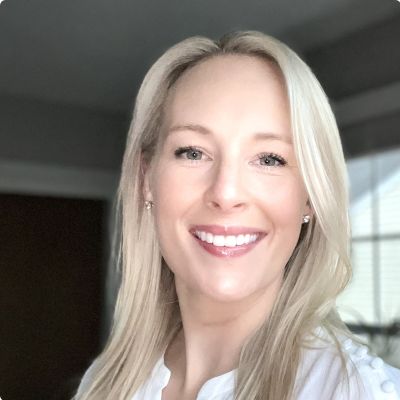
Dr. Kimberly Zito
Using an integrative approach, my therapeutic style is grounded in compassion, honesty, humor, and humility. I work with individuals of all ages, but specialize in working with college-age adults. Individual therapy sessions are provided for 45-minutes/session, usually scheduled on a weekly basis. These weekly sessions lay the foundation for a strong therapeutic relationship, help with learning new skills, and create important momentum so you can experience relief and reach your therapy goals. We will work together to acknowledge and understand your past experiences and begin to re-affirm your feelings of personal worth. I also provide full and partial psychological evaluations, diagnostic evaluations (ADHD, mood, anxiety, learning, autism, developmental disorders), and educational evaluations. Assessments can be structured to measure social functioning, personality, memory, language, learning, and attention, or to provide diagnostic clarity. Individualized recommendations provided will support and facilitate growth, helping to set the path for success.

CampusCare Counseling
CampusCare Counseling is a group practice exclusively serving young adults. Our clinicians have extensive experience in working with undergraduate and graduate students. We provide services that are informed by research on college mental health, developmental characteristics and needs of emerging adulthood (ages 18-29), trauma-informed approach, and sociocultural issues in mental health. We assist our clients by providing individual therapy, group therapy, and career services. We accept Student Health Insurance of Tufts University and Boston College, as well as BCBS and Aetna.

Shaundry Swainamer
My therapeutic perspective is based on growing your strengths and building new skills that you haven’t yet recognized to address life stressors and challenges. I tailor my approach to the individual needs of each client and welcome feedback. As the expert on your own life, it’s important to know what’s working for you and what needs improvement so that we can effectively address issues important to you and meet goals together. I operate from a non-judgmental perspective and encourage clients to share the good, the bad, and the messy without fear of not meeting expectations.

Jeffrey Friedman MD
I am a psychiatrist and psychoanalyst with a deep commitment to offering psychodynamic insight oriented psychotherapy as well as medications when appropriate. I can therefore offer integrated treatment for patients who sometimes require both approaches as well as psychotherapy alone for others who require that. I have a longstanding interest and 40 year experience in university and college mental health for students, faculty, and staff.

Sarah Garrity
I specialize in helping people who are struggling with eating disorders, self-esteem, and trauma. I take a warm, collaborative and holistic approach to help you better understand yourself, un-learn old ways of being, and develop the capacity to manage all that life brings. Together, at a pace you are comfortable with, we can explore places in your life where you feel stuck, and move towards the life you want to live. My goal is to help you find peace within yourself and with your body.

Clinical Alliance Services, LLC
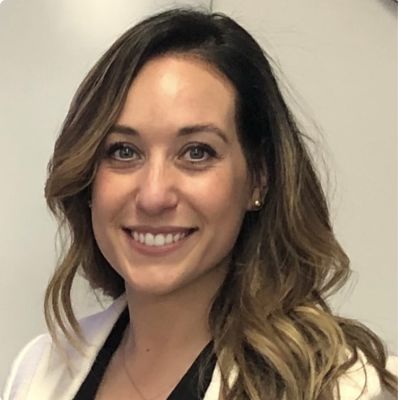
Clinical Alliance Services, LLC (CAS) offers individuals and couples psychotherapy to adults ages 18+ for a wide variety of conditions and concerns, including: Academic Concerns Anxiety Disorders Career and Work-Related Concerns Chronic Illness College Adjustment Complex Posttraumatic Stress Disorder Dissociation Divorce Gender Dysphoria Gender Identity Grief Identity Life Transitions Mood Disorders Polyamory/Consensual Non-Monogamy Posttraumatic Stress Disorder Quality of Life Racial Identity Relational Issues (Peer, Couples, Family) Self-Esteem Sexual Identity Social Oppression Related to Race, Gender, Sexuality, Ability, Religion, and/or Body Size Spirituality Stress Trauma & Related Disorders We value the flexibility to deliver integrative treatment approaches to best meet our clients’ needs. While our clinical orientation is primarily influenced by relational psychodynamic and attachment-based treatment approaches, our clinical team includes psychotherapists trained in a variety of treatment approaches, including: Acceptance & Commitment Therapy (ACT) Cognitive Behavioral Therapy (CBT) Cognitive Processing Therapy (CPT) Dialectical Behavioral Therapy (DBT) Emotionally Focused Therapy (EFT) Eye Movement Desensitization and Reprocessing (EMDR) Internal Family Systems (IFS) Liberation Health Model Mindfulness-Based Treatment Motivational Interviewing Relational Cultural Theory Sensorimotor Psychotherapy Trauma-Informed Treatment Approaches We value the flexibility to deliver integrative treatment approaches to best meet our clients’ needs. We are committed to offering mental health services in an inclusive setting, anchored in a social justice framework, and are passionate about providing psychotherapy services to clients across all identities, experiences and backgrounds. View our staff profiles here: www.clinicalallianceservices.com/team
Sunstone Psychology Group
We offer both Telehealth and in-person services targeted towards clients who are interested in improving their lives and making and sustaining positive change. We typically utilize both cognitive behavioral therapy (CBT) and dialectical behavior therapy (DBT) in our practice. In our work together, you can expect direct, skills-focused work and an emphasis on behavioral change combined with a warm, strengths-based, and individualized approach to treatment.

Aishwarya Chitoor
My approach to psychotherapy is rooted in psychodynamic and relational theory, cultural awareness, cognitive behavioral techniques, Acceptance & Commitment Therapy (ACT) and neurobehavioral therapeutic approaches. I am dedicated to meeting my clients where they are at and adapting treatment to meet their needs. My therapeutic style is compassionate, relaxed, and empowering. I am currently a postgraduate Social Work Fellow and have worked in a variety of clinical settings, ranging from hospital settings supporting individuals' socio-emotional needs to educational settings supporting individuals' learning needs. I offer psychotherapy services to adults of all ages, including college-aged adults, and specialize in treating anxiety, depression, trauma, PTSD, life transitions, relationships, self-esteem and identity issues. I have experience working with refugee populations, as well as survivors of domestic violence, intimate partner violence, and sexual assault. As an Indian-American and immigrant woman, my work is grounded in the intersectionality of gender, racial identity, country of origin, migration, systemic oppression, and sexuality. I enjoy working with individuals across all identities and specialize in working with individuals who hold multiple cultural and/or racial identities.

Collaborative Insight Counseling Associates
Collaborative Insight Counseling Associates (CICA) was created to make culturally sensitive mental health care accessible to the exceedingly diverse population of the Metro Boston area. We endeavor to provide high-quality, insight-oriented therapy, that is both culturally responsive and adaptable, to meet the multitude of clinical needs of our clients. Much of our clinical team prides itself in being multi-cultural and multi-lingual, while also having an expertise in a wide range of treatment approaches.

Vanshika Jain
Life’s challenges often trigger complex emotions. Despite our best efforts to cope, it can be overwhelming to understand what we are feeling and why. My approach is warm, collaborative, and depathologizing, where I hold curiosity about the expansiveness of your lived experiences. I have formal training in relational psychodynamic and emotion-focused therapy that supports meaningful change by attending to unconscious patterns, attachment needs, and ways your body responds to stress. I also adapt elements from CBT, DBT, narrative practices, and expressive arts based on what feels meaningful for you as we meet each session. I work with adults navigating anxiety, OCD, mood disorders, low self-esteem, major life transitions, relational and family conflicts, interpersonal/systemic trauma, and grief. I enjoy working with people from all backgrounds, and invite conversations about identity, privilege, and oppression to explore how social systems have quietly shaped your inner life. As an Indian migrant, I understand the complexity of living between cultures. I am particularly drawn to supporting BIPOC folks, fellow migrants, and second-generation immigrants. Curated with care, I intend to create a space where we can navigate intergenerational dynamics, immigration grief, acculturative stress, and make a home inside and out. I offer services in English and Hindi.

Dylan Fox
I practice from a relational psychodynamic orientation and integrate aspects of cognitive behavioral and narrative psychotherapy in my approach. This means that our work together will consist of identifying the patterns in how you relate to other people and to yourself and working to change those patterns, allowing for more fulfilling interpersonal relationships and a discarding of unhelpful ways of being. I am committed to understanding the dynamics of power and oppression and the ways I can help to undermine and process them in the context of our work. I work with a wide range of adults across the lifespan experiencing varied psychological needs, including anxiety, mood disorders/depression, life transition, college adjustment, trauma, Complex PTSD, and issues related to gender, sexuality, and spirituality. I enjoy and have specialized experience working with LGBTQ+ clients. I have worked with clients of myriad identities across various settings, including community mental health, college counseling, and residential treatment settings. While our work is individual in nature, I explicitly address issues of marginalization, oppression, and discrimination, as these are significant determinants of psychological and physical health.

Chloe Cohen
We all, at times, encounter periods of pain or discomfort related to relationships, work, responsibilities or our inner sense of self. It takes courage, trust, and a certain amount of hope to reach out for help by initiating therapy. My approach to therapy is rooted in psychodynamic theory. I take seriously the task of understanding the unique narrative of your life, carefully listening to and reflecting on your experiences to unravel how they've sculpted you into the person you are today. Together, we will work to understand your mind, enabling us to confront the challenges and conflicts you face with newfound clarity and strength. I work with individuals across all life stages, addressing a spectrum of concerns. I provide support for depression, anxiety, trauma, identity exploration, life transitions, and relationship dynamics. I also offer psychological assessments to clarify diagnostic questions and help guide existing therapeutic treatments towards self-understanding and growth. I have advanced training in psychodynamic psychotherapy and psychological evaluation, honed through my training at Cambridge Health Alliance, an affiliate of Harvard Medical School. I also have experience as a therapy and testing clinical consultant and have worked extensively with LGBTQIA+ populations in individual, group, and community-based contexts.

Therapy Together, LCSW, PLLC
We are a group practiced of experienced, compassionate, and trauma-informed therapists licensed in MA & NY. We provide relational therapy, and believe in the power of relationships as a tool towards making meaningful change. We practice evidence-based treatment to help our clients reach their unique goals, including EMDR, CBT, DBT, and IFS. Our therapists specialize in working with college students, graduate students, young adults and adults navigating life transitions and challenges. We are experienced in treating anxiety and mood disorders, CPTSD, ADHD, FND, Eating Disorders, amongst others. We accept many insurance plans and value accessibility to quality mental health treatment. We are accepting new clients! Please reach out to Jenna to schedule: jenna@therapytogetherpllc.com or visit our website: www.therapytogetherpllc.com

Sarah Murphy Young Adult Life Coaching and Counseling
I love what I do after 29 years and have worked in a wide range of settings with a wide range of people. Building a strong rapport with clients is essential and I focus on putting you at ease by being attentive, warm, and validating. I practice as a therapist and a life coach. I have a great deal of experience working with young adults. They are my favorite people. I commonly treat depression, anxiety, OCD, PTSD, AD/HD and with those in early recovery from drug and alcohol addiction. I help people to manage trauma, loss, divorce of parents, difficulty with parents/siblings, boundary violations and more. I've also worked with athletes to improve athletic performance, with students to improve academic performance and with musicians, artists and actors to manage anxiety, stage fright and a range od phobias. Feel free to be in touch for a 15 minute consultation.

Marianne Potvin
My approach to psychotherapy is integrative and collaborative. I draw on a range of modalities, including psychodynamic, relational, and attachment theories, as well as dialectical behavioral therapy, motivational interviewing and narrative therapy, to meet my clients’ unique needs and experiences. My commitment to anti-oppressive, liberatory, and feminist principles means that I pay close attention to how systems and cultures shape us. I seek to foster a warm and transparent therapeutic environment that is welcoming of clients’ authentic voices. I offer individual psychotherapy to adults navigating anxiety, depression, work stress, life transitions, grief, relational ruptures, and individual or collective trauma, as well as cross-cultural and belonging issues. As a Third Culture Individual (TCK) I enjoy working with first /second generation immigrants, expatriates, and international students. I have worked in various settings including hospitals, universities, and international humanitarian NGOs in North America, West Africa, the Middle-East, and Central Asia, moving between resourced and under-resourced environments. I studied at Université de Montréal (MArch), Harvard University (MDes, PhD), Smith School for Social Work (MSW), and UPenn.

Tanner Hammond
My approach to psychotherapy is person-centered, tailoring the therapy to the unique needs and lived experiences of each client. I draw primarily from psychodynamic therapies, with attention to the neurobiology of trauma and attachment. I also integrate narrative practices to help clients reauthor the stories they tell about their lives, and cognitive-behavioral practices to help transform insight into strategies for change. My style is authentic, non-judgmental, and warm, and I work with clients to enrich therapy with diverse sources of meaning-making, including art, music, film, literature, and world philosophies. I offer individual therapy to adults of any age to address a range of issues, including depression, anxiety, trauma, grief, self-esteem, relationship issues, life transitions, and existential and spiritual issues related to personal values and fulfillment. I also work with clients to address issues related to culture, race, sexuality, gender, and class. In addition to my clinical training, I hold a PhD in philosophy and have a background as a college educator in ethics and social issues. I have a passion for helping clients as they navigate questions related to life meaning, personal identity, and social connectedness, and I aim to empower clients to explore new perspectives about themselves and the world.